

-
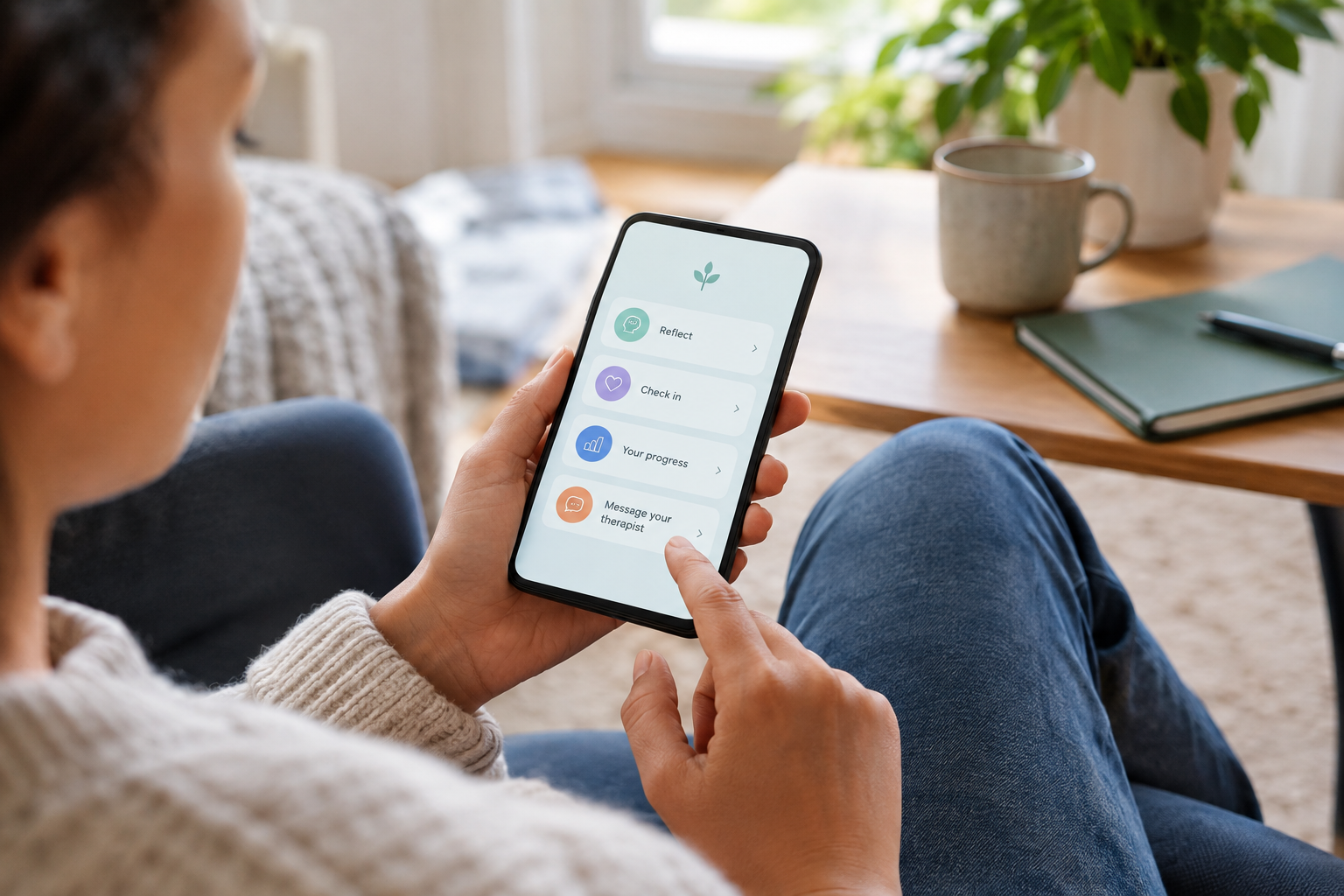
The Hidden Benefit of Between Session Engagement
Many therapists focus understandably on the quality of the therapy session itself. But what happens between sessions can have an enormous impact on outcomes. Clients often forget insights, lose motivation or struggle to apply therapeutic techniques in daily life. Even highly engaged clients can drift emotionally between appointments. Keeping clients connected between sessions helps maintain momentum. For clients, this can mean better emotional regulation, improved self reflection and a stronger sense of progress. Small check ins, reflective exercises or secure communication channels can help clients stay emotionally engaged with the work they are doing. Importantly, it can also reduce the… read more…
-
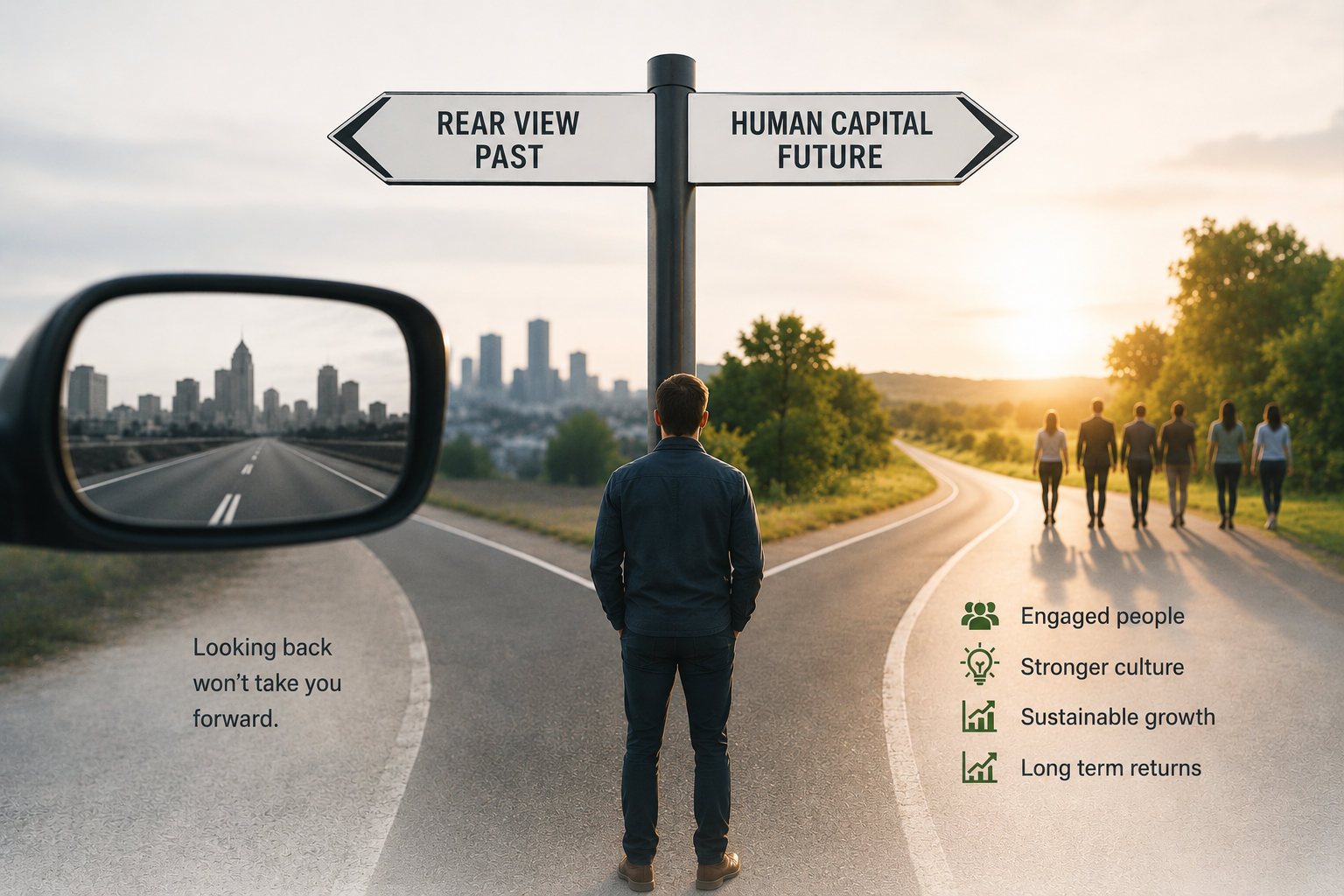
Engaged staff grow value
How would you decide which companies to invest in? Past performance,name of the company, interesting prospectus? According to Rory Sutherland that is like assessing the road ahead by looking in the rear view mirror. In 2022 a fund was created in the US called The Harbor Human Capital Factor US Large Cap ETF (ticker: HAPI). Rather than selecting companies purely on financial ratios, it uses proprietary Human Capital scores developed by Irrational Capital, which analyse employee satisfaction, corporate culture, innovation, leadership quality and workplace effectiveness. The thinking is companies with stronger employee engagement and better “human capital” management produce superior… read more…
-
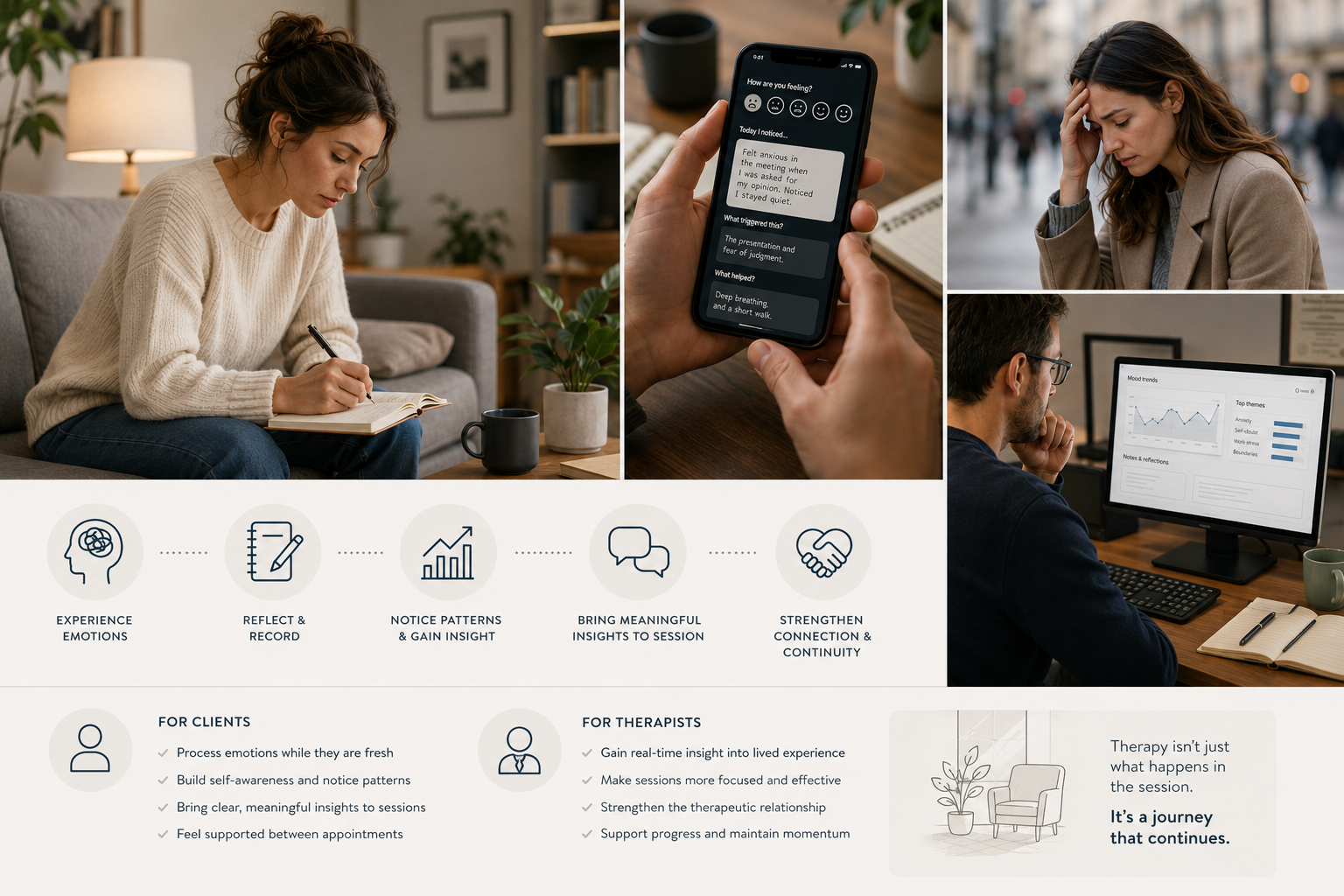
Why Clients Often Need Support Between Sessions
Therapy can uncover powerful emotions. That is part of the process. But emotional breakthroughs rarely arrive at convenient times. A client may leave a session feeling optimistic, only to encounter stress, self doubt or anxiety two days later. Without a way to stay connected to the therapeutic journey, those moments can feel overwhelming and isolating. This is why structured between session communication matters. For clients, it provides continuity. A secure way to record thoughts, emotions or reflections can help people process experiences while they are fresh. Instead of arriving at the next session saying, “I know I felt something important… read more…
-
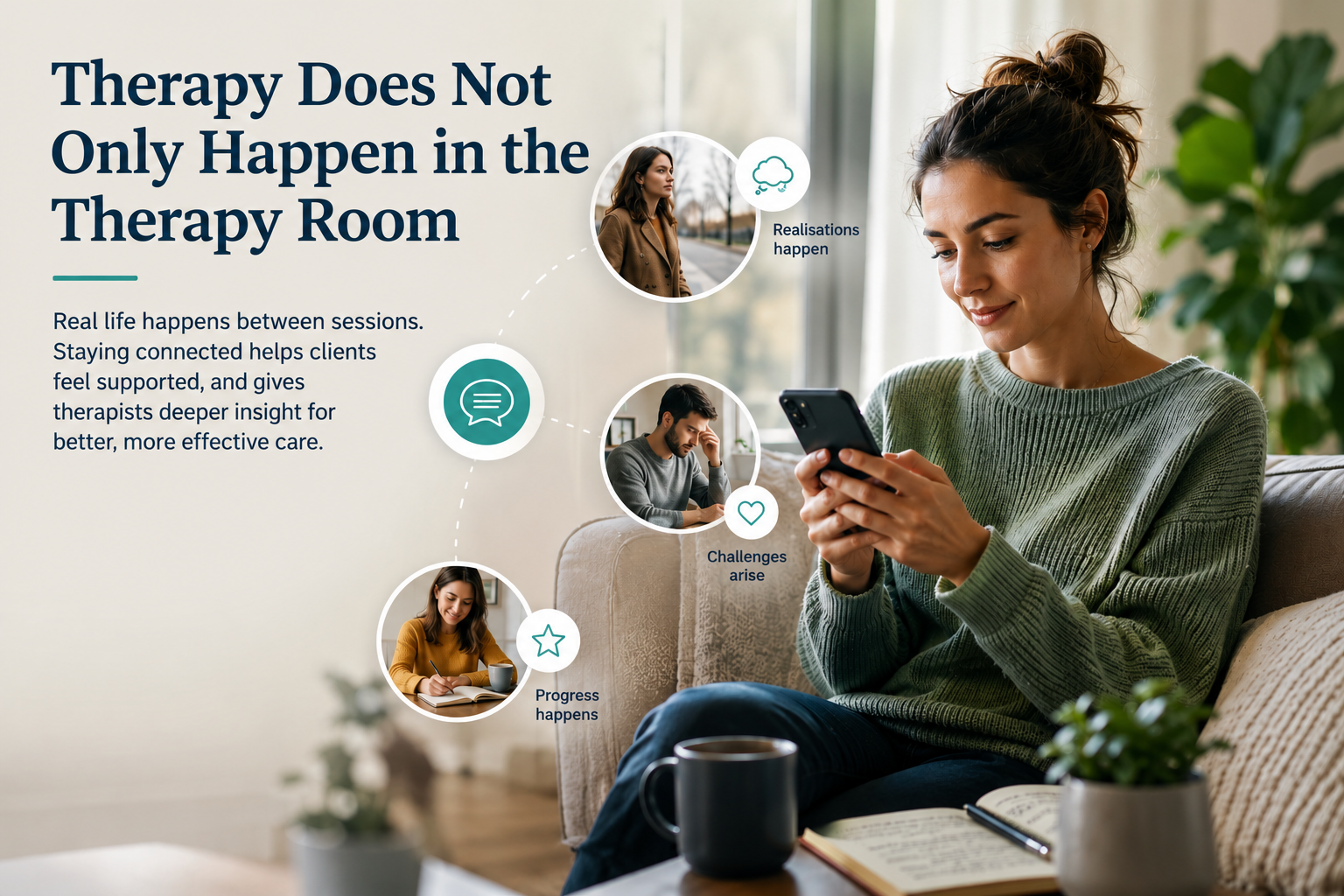
Therapy Does Not Only Happen in the Therapy Room
Most therapy sessions last around fifty minutes. Real life happens in the other 10,030 minutes of the week. That gap matters. Clients do not stop thinking, feeling, worrying or struggling when a session ends. In fact, many breakthroughs happen afterwards. A difficult conversation. A sudden realisation while walking the dog. A moment of panic at work. A small victory that deserves to be recognised. When therapists and clients can maintain appropriate, structured contact between sessions, therapy becomes less like a weekly appointment and more like an ongoing process of support and reflection. For clients, this continuity can be incredibly reassuring.… read more…
-
The importance of constructive space
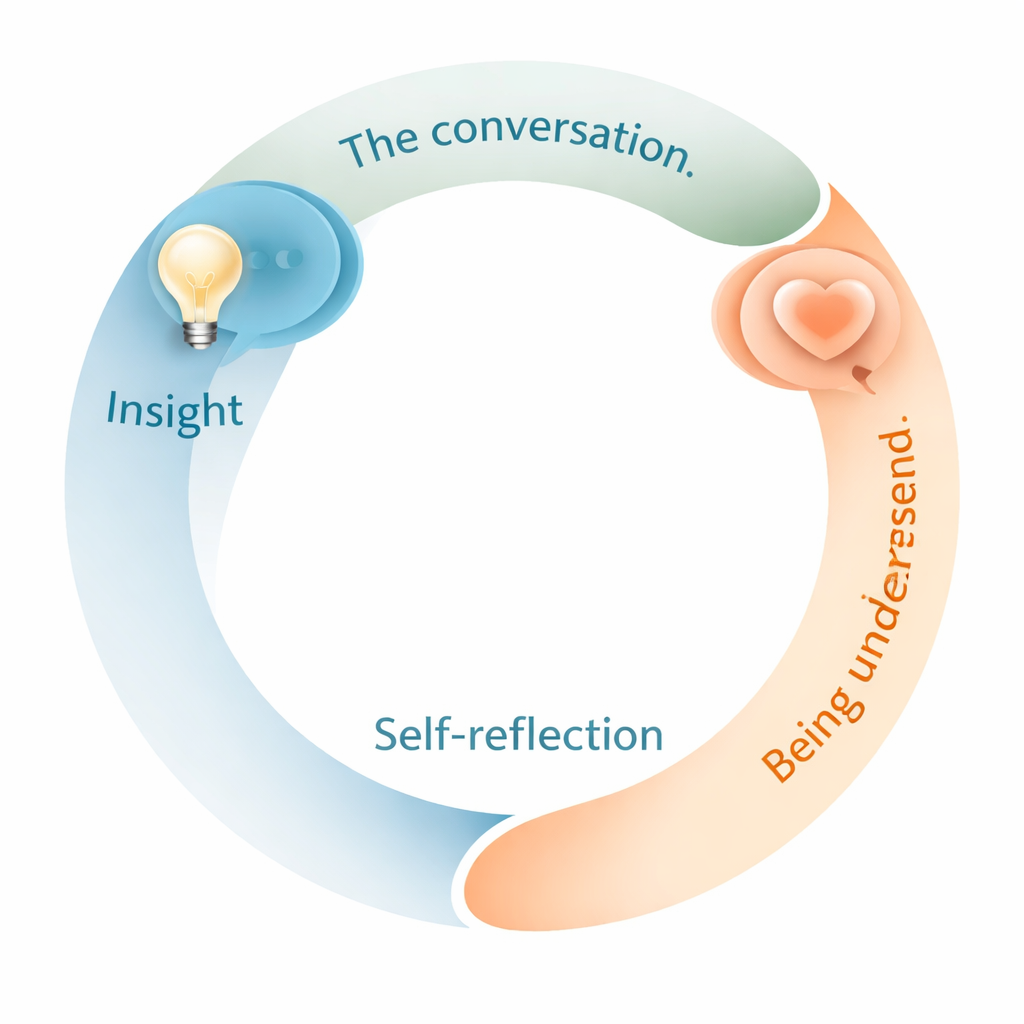
When clients think about therapy, they often focus on the session itself. The conversation.The insight.The feeling of being understood. But as every therapist knows, the real work doesn’t stop when the session ends. In fact, that’s often where it begins. Change happens in the in-between moments—when a client notices a pattern, pauses before reacting, or reflects on how they’ve been feeling throughout the week. The challenge is that without structure, these moments are easy to lose. Life moves quickly. Awareness fades. And by the time the next session comes around, important experiences are forgotten or blurred. That’s why reflection between… read more…
-
AI + Employee Engagement = Success
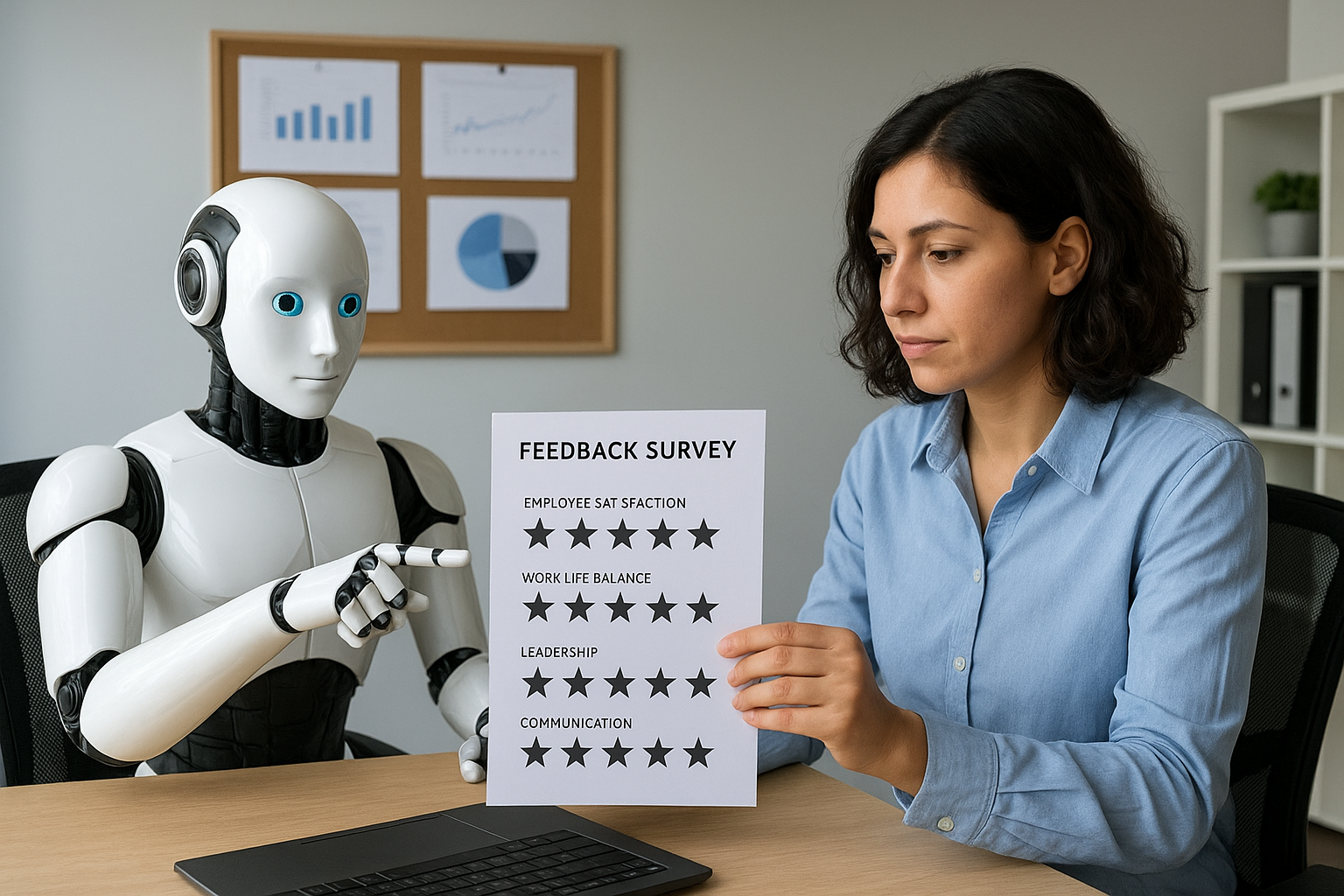
In today’s competitive business environment, leaders know their greatest advantage isn’t technology, capital, or even strategy—it’s people. Yet many organizations still rely on outdated approaches to understanding employee needs, motivations, and challenges. The result? Blind spots, disengagement, and missed opportunities for improvement. The most effective organizations are now blending two powerful forces; direct employee surveying and AI, to build a more engaged, productive, and resilient workforce. Together, they create a feedback ecosystem that is faster, smarter, and far more impactful than traditional methods alone. No algorithm can replace the authenticity of employees sharing their experiences in their own words. Direct… read more…
-
Turning Employee Engagement into a Marketing Advantage
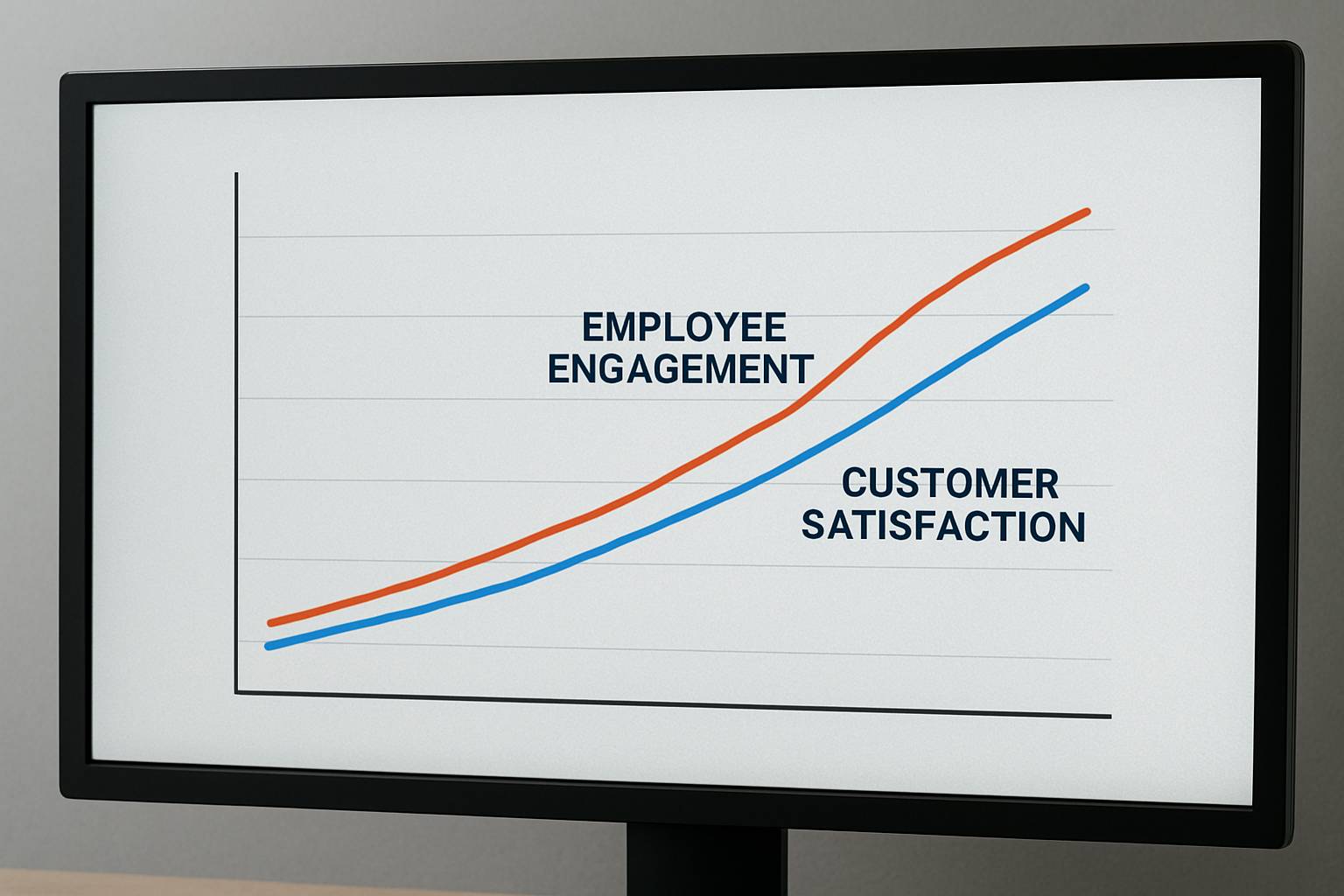
Most companies measure customer satisfaction. Fewer measure employee engagement; and fewer still make it a weekly habit. Yet a business that checks in with its people every week isn’t just improving morale; it’s building a story customers want to hear. Weekly engagement surveys say something powerful about a company’s character. They show consistency, curiosity and humility: a willingness to listen, learn and adapt. These are precisely the qualities customers look for in a brand. In a marketplace where every product claims to be “innovative” or “customer-centric,” the way a company treats its employees becomes a rare form of proof. From… read more…
-

Fixing a roof
There’s an old adage that says, “The best time to fix a roof is when it’s sunny.” In other words, don’t wait for the storm to expose your weaknesses before taking action. By extension, the same logic applies to inspecting your roof — the time to check for cracks and weaknesses is before the rain starts pouring. Fortunately, in the modern world, you don’t even need to clamber up there yourself. With drone technology, you can send a quick aerial survey and get a detailed picture of your roof’s health without ever leaving the ground. This simple analogy translates perfectly… read more…
-

“A fist out of a bucket of water”
Years ago, I worked with a colleague who was excellent at his job. The problem was, he had been with the company since what felt like the ice age and was repeatedly overlooked for training and development opportunities. Eventually, he began talking about leaving. When asked how the business would cope without him, he would simply reply: “It would be like taking a fist out of a bucket of water—a slight ripple at first, and then no one would notice.” In the end, he did leave. And despite his prediction, it took months to steady the ship and restore balance… read more…
-

Are you interested in a 500% ROI?
In a time when margins are tight and business challenges are relentless, it’s easy for mental health to slip down the priority list. But if you’re running a UK business, especially an SME, employee wellbeing isn’t a “nice-to-have”. It’s a business imperative. According to Deloitte’s UK Mental Health Report, for every £1 invested in mental health, employers can expect to see a return of £5. That return comes through lower absenteeism, reduced presenteeism, higher retention, and improved morale. Put simply: when your people are well, your business performs better. Here are a few practical, high-impact steps business owners can take:… read more…
Contact us!
We look forward to hearing from you.
Have a happy Friihday!