
Many therapists focus understandably on the quality of the therapy session itself. But what happens between sessions can have an enormous impact on outcomes.
Clients often forget insights, lose motivation or struggle to apply therapeutic techniques in daily life. Even highly engaged clients can drift emotionally between appointments.
Keeping clients connected between sessions helps maintain momentum.
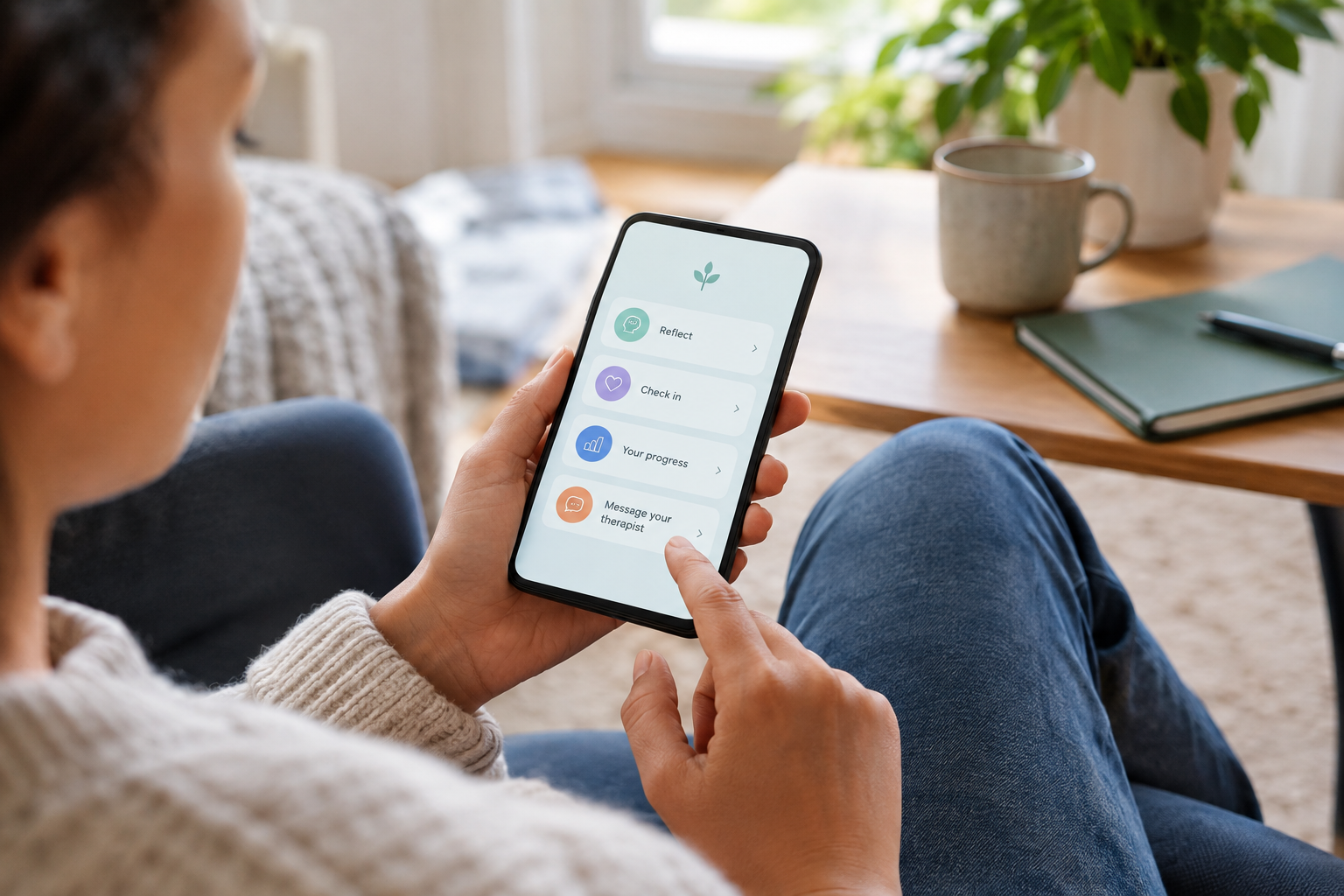
For clients, this can mean better emotional regulation, improved self reflection and a stronger sense of progress. Small check ins, reflective exercises or secure communication channels can help clients stay emotionally engaged with the work they are doing.
Importantly, it can also reduce the feeling that therapy exists separately from real life. Instead, therapy becomes integrated into everyday experiences and decision making.
For therapists, the benefits are equally significant.
Between session engagement can improve session quality by providing more context, clearer reflections and better continuity. Therapists are able to spend less time rebuilding the previous week and more time moving forward productively.
There is also a relationship benefit. Clients who feel consistently supported are often more likely to remain committed to therapy, attend regularly and recommend services to others.
In a profession built on human connection, maintaining meaningful engagement between sessions is not an administrative extra. It is part of effective therapeutic care.